Strata building insurance: what it covers and who arranges it
In a strata scheme the owners corporation insures the building, not each owner. What that covers, how the sum insured is set, and the schemes where it works the other way.
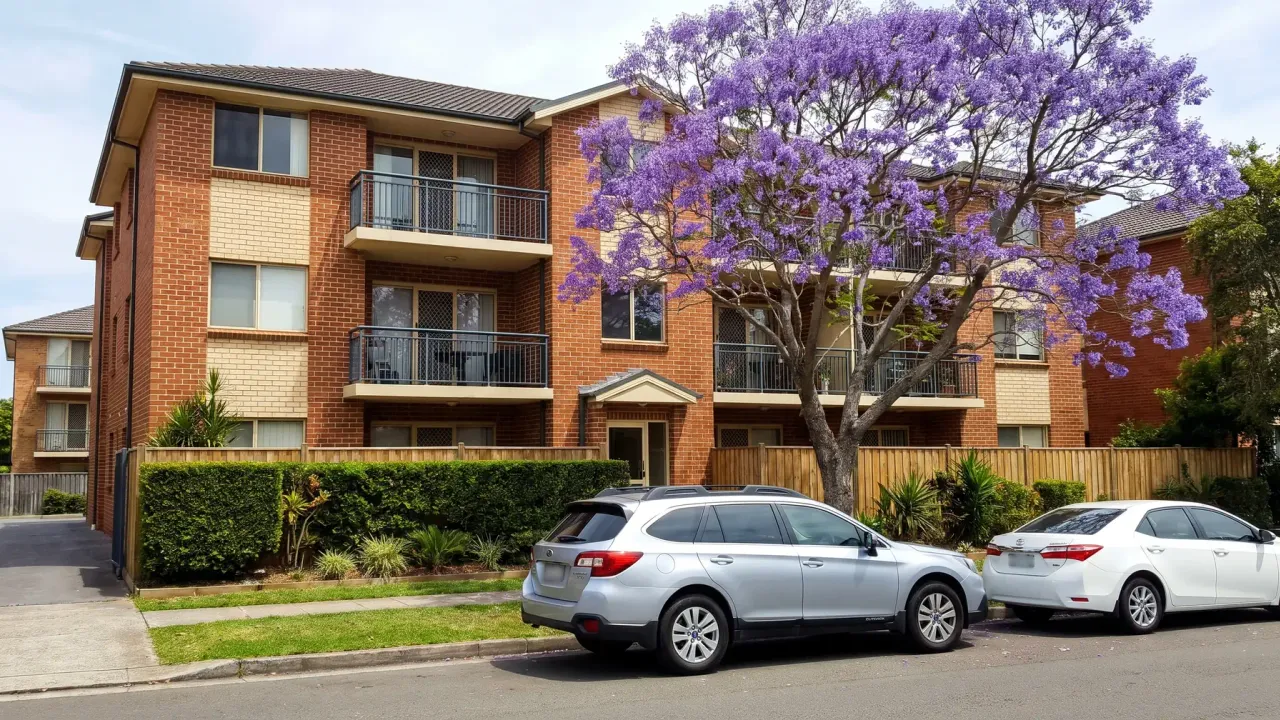
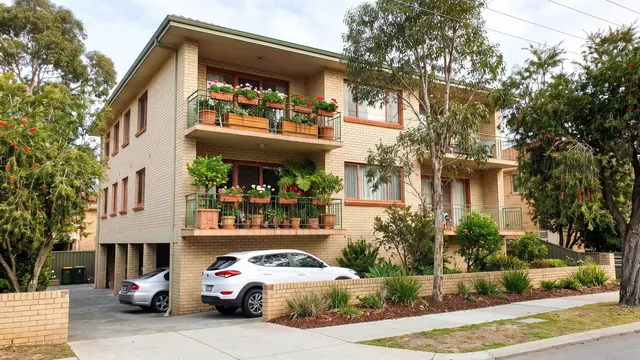
Strata building insurance is the part of a strata policy that pays to repair or rebuild the building: its structure, its common property and the fixtures that form part of it. In a strata scheme it is bought by the owners corporation, not by each owner, and paid for out of levies. State law makes it compulsory and sets how it must be arranged. This guide covers what counts as the building, how the sum insured is set, and the schemes where owners insure their own buildings instead.
Does strata insurance cover the building?
Yes. Building cover is the core of every strata policy. In New South Wales the law is direct: the owners corporation "must insure the building and keep the building insured" (Strata Schemes Management Act 2015, section 160(1)), and the policy must pay to rebuild each part so that it is "not worse or less extensive than that part when new". Queensland, Victoria, Western Australia, South Australia and Tasmania each set a similar duty. Is strata insurance compulsory? sets out every state's rule.
What counts as "the building"?
| Part | Usually insured by the strata policy? |
|---|---|
| Structure: walls, roof, floors, foundations, windows | Yes |
| Common property: lifts, stairs, lobbies, driveways, car parks, fences, pools, gardens | Yes |
| Fixtures that form part of the building, such as the original kitchens and bathrooms | Generally yes |
| Improvements owners have added inside their lots | In NSW the building includes them (s 161(3)); many policies cap them, for example at 10% of the building sum insured |
| Paint, wallpaper, carpets, floating floors, curtains | Often not (in NSW, temporary coverings need not be insured, s 161(4)) |
| Owners' and tenants' belongings | No: those are contents |
A shared driveway, fence or garden that is common property is insured by the owners corporation's policy like the rest of the building. So after a storm, such as the November 2026 storms in south-east Queensland and New South Wales, damage to roofs, fences and common areas is a claim the committee or strata manager lodges on the strata policy. Belongings and most floor coverings sit with the owner's own contents or landlord policy, as our guide for owners explains.
How the building sum insured is set
The building sum insured is the most the policy pays to rebuild, and the figure the premium is mostly calculated on. It is the cost to rebuild, not what the units would sell for: a building can cost more to rebuild than its market value suggests, especially an older or larger one. A good figure allows for:
- demolishing and removing the damaged building;
- rebuilding it to current building codes, which can cost more than the original;
- professional fees such as architects, engineers and surveyors;
- building cost rises between the valuation and the rebuild.
Many policies add some of these as extras on top of the sum insured; the PDS says which. Some also carry catastrophe cover for costs above the sum insured after a large event: Strata Unit Underwriters includes 15% automatically, and Axis offers up to 30% as an option.
Insurance valuations
The figure should come from a current insurance valuation. Queensland requires one at least every five years, Victoria every five years for owners corporations with three or more occupiable lots, and the New South Wales Government suggests every two to five years. Western Australia sets no interval. If the building is underinsured, the owners corporation may have to bear part of a loss itself.
Enter the sum insured from your latest valuation; every quote shows it back.
What does strata building insurance cost?
In the Sydney quotes behind our line-by-line quote guide, strata insurance cost roughly $1.50 to $2.20 a year for every $1,000 of building sum insured, with larger buildings at the lower end. Location, age, construction, use and claims history all move the price, and so does the insurer: five insurers priced one building from $4,791.56 to $8,549.82. How to lower a strata insurance premium covers what a committee can change.
When owners insure the building themselves
In some schemes the homes are not part of the owners corporation's building duty:
- Western Australia, survey-strata schemes: each owner insures the buildings on their own lot; the strata company insures common property and its liability.
- Queensland, standard format plans with stand-alone houses: each owner insures their own house. Attached townhouses and duplexes on a standard format plan are insured by the body corporate.
- Victoria, homes side by side on the ground: the default duty covers buildings on common property; how the homes are insured depends on the plan and on what the owners have resolved. Two-lot subdivisions are exempt.
- New South Wales, two-lot schemes of detached buildings: the owners can resolve unanimously not to hold the insurance.
Townhouse and villa schemes are where most of the confusion sits. The plan, and the scheme's records held by the strata manager, say which applies; Torrens vs strata title compares every kind of title. The policy's certificate of currency confirms what the owners corporation has insured.
Questions
Does body corporate cover building insurance?
In most schemes, yes. The body corporate or owners corporation must insure the building and pays the premium from levies. The exceptions are schemes where owners insure their own buildings, such as detached houses on a Queensland standard format plan.
Do strata fees cover building insurance?
Yes, in most schemes. The building insurance premium is paid by the owners corporation from the levies owners pay. What strata fees cover shows which fund pays it in each state.
Do I need building insurance for a strata townhouse?
It depends on the plan. Attached townhouses are usually insured by the owners corporation; free-standing townhouses and villas on some plans are insured by each owner. The scheme's plan and records say which.
Is a common driveway covered by strata insurance?
If the driveway is common property, it is part of what the owners corporation insures, and so is liability for injuries on it.
- Strata Schemes Management Act 2015 (NSW), sections 160 and 161
- Owners Corporations Act 2006 (Vic), sections 59 to 61
- Body Corporate and Community Management (Standard Module) Regulation 2020 (Qld)
- Strata Titles Act 1985 (WA), section 97
- Strata Unit Underwriters and Axis Underwriting Services product pages and wordings
- Strata insurance quotes priced through Quick Strata, November 2026