What do strata fees cover? Levies, funds and insurance
Strata levies pay for insurance, running costs and future repairs, through funds each state names differently. Insurance is often the biggest single item.
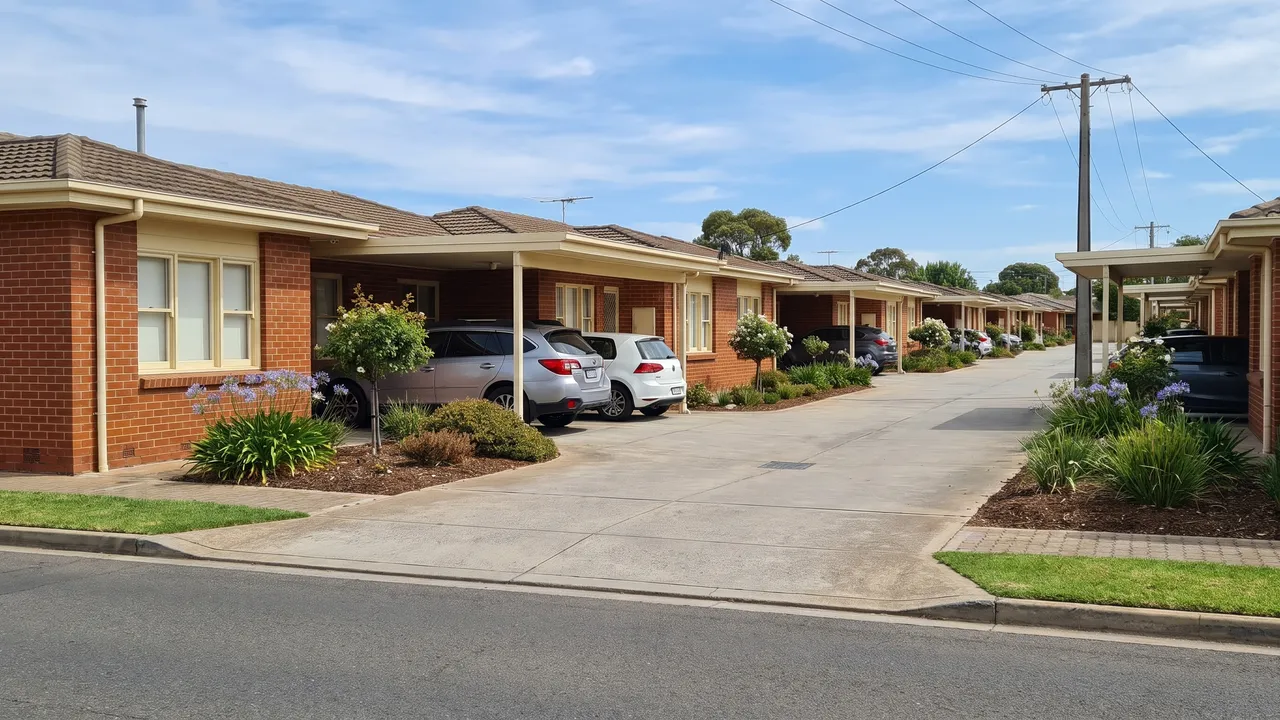
Strata fees, also called levies or contributions, are what each owner pays the owners corporation to run the building. They pay for insurance, cleaning, gardening, common area power and water, management, and saving for future repairs. Building insurance is usually one of the largest items. Each state sets out how levies are worked out, which funds they go into, and what happens when one is paid late.
What do strata fees pay for?
Levies are split between two kinds of spending, kept in separate funds in most states:
| State | Day-to-day fund (including insurance) | Long-term fund |
|---|---|---|
| New South Wales | Administrative fund: common property maintenance, "paying for strata scheme insurance", utilities, cleaning, gardening | Capital works fund (formerly the sinking fund): repainting, replacing or repairing common property |
| Queensland | Administrative fund: regular maintenance, "insurance charges", administration | Sinking fund: big or one-off items such as painting and structural repairs, budgeted at least 9 years ahead |
| Western Australia | Administrative fund: cleaning, building insurance, gardening, small maintenance, utilities, management fees | Reserve fund: roofs, lifts, repainting, structural changes; required for 10 or more lots or $5 million replacement value |
| Victoria | Annual fees covering "general administration, maintenance, insurance and other ongoing costs" | A maintenance fund, required where the owners corporation has a maintenance plan |
| South Australia | Contributions for the corporation's expenses, including insurance | Sinking fund optional for strata corporations, required for community corporations |
| Tasmania | One fund, which may be split into recurrent and capital parts | The capital part of the same fund |
From NSW Fair Trading, Consumer Affairs Victoria, the Queensland Government, Landgate, the SA Law Handbook and the Strata Titles Act 1998 (Tas), read November 2026.
Do strata fees cover building insurance?
Yes, in most schemes. The owners corporation must insure the building and its common property, and the premium is paid from the day-to-day fund that levies feed: in New South Wales the administrative fund pays for "obtaining insurance", and in Queensland and Western Australia insurance is listed among administrative fund costs. What the strata policy does not cover, such as owners' belongings, is each owner's own cost: do I need home insurance if I own a strata unit? explains the split, and strata building insurance covers what the policy insures.
How much of a levy is insurance?
It depends on the building, but it is often large. One six-unit Sydney building we priced in November 2026 was quoted $4,791.56 a year by the lowest of five insurers: about $800 per lot if the lots carried equal entitlements. The strata agency CHU's 2025 market report put the average strata premium at $981 per lot a year. Buildings in cyclone areas pay more: the ACCC found the average strata policy in northern Australia cost $8,341 in 2024-25. A lower premium lowers every owner's levy, which is why how to lower a strata insurance premium matters to owners as well as committees.
Compare quotes from five strata insurers for the whole building.
How levies are worked out
The owners corporation sets a budget at its annual general meeting, and each owner's share follows their lot's entitlement. In New South Wales "levies must be charged according to each property's unit entitlement": the NSW Government's example is a $20,000 levy over 200 total entitlements, so $100 per point and $1,500 for a 15-point lot. Queensland uses the contribution schedule, with building insurance shared on the interest schedule. Victoria charges annual fees by lot liability, but insurance premiums are recovered by lot entitlement. Special levies can be raised for an unexpected cost, at a general meeting.
What happens if strata fees are paid late?
| State | Interest on unpaid levies |
|---|---|
| New South Wales | 10% simple interest a year, once a levy is a month overdue; at least 30 days' written notice before NCAT or court action |
| Queensland | Up to 2.5% a month simple interest; a debt 2 years overdue must go to recovery within 2 months |
| Western Australia | 11% simple interest a year |
| South Australia | Up to 15% a year, if resolved by the corporation |
| Victoria | Only if the owners corporation has resolved to charge it, capped by the Penalty Interest Rates Act; two 28-day notices before VCAT |
| Tasmania | A rate set by resolution, which must be fair and reasonable |
Questions
What are strata fees?
Strata fees, or levies, are the regular payments each lot owner makes to the owners corporation to cover the scheme's running costs, including insurance, and to save for future repairs.
Do strata fees include insurance?
They include the owners corporation's building and public liability insurance. They do not include insurance for owners' own belongings or a landlord's tenancy risks.
Who decides how much strata fees are?
The owners corporation, at its annual general meeting, approves a budget, and each owner pays a share based on their lot's entitlement.
Can strata fees go up because of insurance?
Yes. Insurance is paid from levies, so a higher premium usually means higher levies, and a lower premium lowers them.
- NSW Government, Levies, finances and insurance; Serving on a committee: finances and insurance, and levies (nsw.gov.au)
- Consumer Affairs Victoria, Owners corporation fees and insurance (consumer.vic.gov.au)
- Queensland Government, Administrative fund, Sinking fund, Owners' contributions (qld.gov.au)
- Landgate, Managing finances and insurance fact sheet
- Legal Services Commission of SA, Law Handbook, strata titles; SA Government, strata titles
- Strata Titles Act 1998 (Tas), sections 82 to 84
- CHU, 2025 State of the Strata Market report, November 2025; ACCC insurance monitoring report, June 2026; quotes priced through Quick Strata, November 2026